
Understanding the psychological triggers behind casino behavior
The Allure of Casino Environments
Casinos are designed to be captivating spaces that stimulate excitement and anticipation. Bright lights, engaging sounds, and vibrant decor create an immersive experience that draws players in. The ambiance of a casino is meticulously crafted to keep individuals entertained and eager to participate. This sensory overload plays a crucial role in enhancing the overall thrill of gambling. Additionally, one can find great insights on australia online casinos that cater to various player preferences and needs.
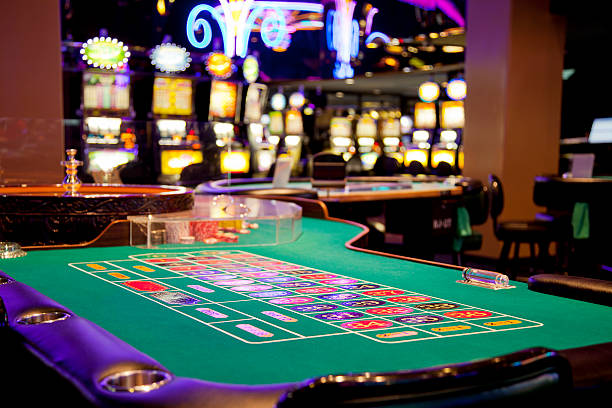
Moreover, the layout of casinos encourages exploration. Players are often surrounded by numerous gaming options, from slot machines to table games, which can create a sense of choice and freedom. This design strategy exploits psychological triggers, such as FOMO (Fear of Missing Out), motivating individuals to engage further with the games on offer.
The Role of Rewards and Incentives
Rewards are a fundamental aspect of casino operations. From welcome bonuses to loyalty programs, these incentives are tailored to encourage continued play. The psychology behind these rewards lies in the brain’s response to dopamine, a neurotransmitter linked to pleasure and reward. When players win, even small amounts, their brains release dopamine, reinforcing the behavior and prompting them to play more.
Casinos often employ variable reward schedules, where players receive rewards at unpredictable intervals. This unpredictability can make the experience even more exhilarating and addictive, as individuals continually chase the next big win. Understanding this dynamic is essential for players to recognize when their enjoyment may cross into problematic territory.
The Impact of Social Interaction
Social interaction is another significant trigger for casino behavior. Many players enjoy the communal atmosphere that casinos provide, whether at a poker table or while playing slots. Engaging with others can heighten the experience, making it more enjoyable and less isolating. The shared excitement of winning or the thrill of competition can create lasting bonds among players.
Moreover, casinos often host events and tournaments that foster a sense of community. This camaraderie encourages players to return, not just for the gaming but for the social interactions that enrich their experiences. Recognizing the allure of these social dynamics can help players understand their motivations for returning to the casino.
The Psychological Effect of Losses
Loss aversion is a psychological principle that heavily influences gambling behavior. Players often experience a strong emotional response to losses, which can lead to a cycle of chasing losses. This phenomenon is based on the idea that the pain of losing is more significant than the joy of winning, prompting individuals to continue playing in hopes of recouping their losses.
Understanding this psychological trigger can empower players to develop healthier gambling habits. By acknowledging the emotional impact of losses, individuals can create strategies to limit their playtime and mitigate the potential for developing problematic gambling behaviors.

Exploring Resources for Safer Gambling
Understanding the psychological triggers behind casino behavior is crucial for players who want to engage responsibly. Many online resources offer guidance on maintaining healthy gambling practices. These platforms provide insights into game mechanics, responsible gambling strategies, and the importance of self-awareness when engaging with gambling.
By utilizing these resources, players can maximize their enjoyment while minimizing the risks associated with gambling. Whether you are a seasoned player or a newcomer, staying informed and aware of psychological triggers can enhance your gaming experience and help you navigate the thrilling world of casinos safely.