
Exploring the psychology behind player decisions in casinos
The Influence of Environment on Player Behavior
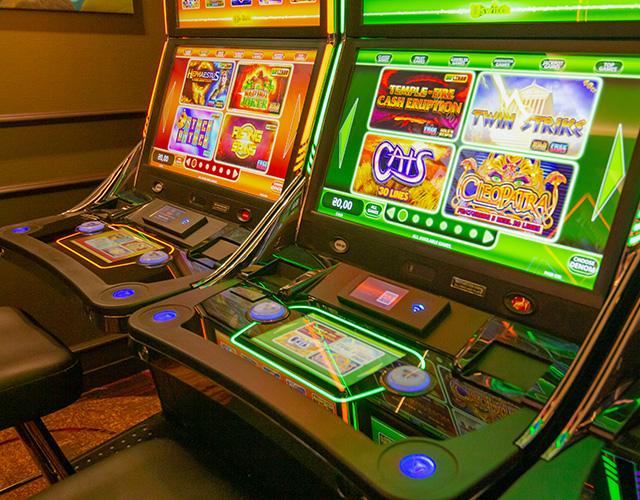
The environment within a casino plays a crucial role in shaping player behavior. Factors such as lighting, sound, and layout can significantly influence a player’s decisions. Bright lights and upbeat music can create a sense of excitement and urgency, encouraging players to engage more deeply with the games. Conversely, a subdued atmosphere may lead to more cautious and calculated decisions. Additionally, players seeking the best options can discover new casinos that enhance their gaming experience.

Furthermore, the physical layout of a casino can affect how players navigate their options. The strategic placement of slot machines and table games can lead players to spend more time and money than they initially intended. Understanding this psychological impact allows casinos to enhance the player experience while also maximizing their revenue.
The Role of Emotion in Gambling Choices
Emotion often drives decision-making in casinos, making it a pivotal aspect of player psychology. Many gamblers make choices based on their current emotional state rather than on logical reasoning. For example, a player who is feeling lucky might take riskier bets, while a player experiencing frustration may chase losses, leading to poor decision-making.
Moreover, the thrill of winning can evoke a strong emotional response, which reinforces a player’s behavior and encourages them to continue gambling. The interplay between emotion and decision-making illustrates the need for players to maintain awareness of their feelings while engaging in gambling activities.
Cognitive Biases Affecting Gambling Decisions
Cognitive biases are systematic patterns of deviation from norm or rationality in judgment, and they play a significant role in how players make decisions in casinos. One common bias is the “gambler’s fallacy,” where players believe that past events can influence future outcomes, such as thinking that a slot machine is “due” for a win after a series of losses. This misconception can lead to irrational betting patterns.
Another prevalent bias is the illusion of control, where players believe they can influence the outcome of games that are fundamentally based on chance. This belief can drive them to make riskier bets, as they feel a sense of agency over their fate. Recognizing these biases can empower players to make more informed and rational decisions while gambling.
Strategies for Responsible Gambling
Developing strategies for responsible gambling is essential for both players and casinos alike. Players can benefit from setting clear limits on their time and money spent in casinos, which can help mitigate impulsive decisions driven by emotion or environmental factors. Creating a personal budget and sticking to it can enhance the gambling experience by providing a sense of control and reducing the risk of negative outcomes.
Casinos also play a vital role by promoting responsible gambling practices. Providing resources for players to understand their behavior and the associated risks can foster a healthier gaming environment. Training staff to recognize and assist players showing signs of problematic gambling can further enhance the overall experience while ensuring that the welfare of the players is prioritized.
Conclusion: The Importance of Understanding Player Psychology
Understanding the psychology behind player decisions in casinos is crucial for enhancing the gaming experience and promoting responsible gambling. By acknowledging the influences of environment, emotion, cognitive biases, and the importance of strategic decision-making, both players and casinos can cultivate a more enjoyable and safer gaming atmosphere.
As players navigate the world of gambling, resources that offer insights into these psychological factors can be invaluable. Engaging with platforms that prioritize player education and responsible practices ensures that gaming remains a fun and enjoyable pastime while minimizing the risks associated with gambling.